THE FASCIA COMPANY · EDITION ONE
The hidden structure of natural beauty.
One organ holds everything else in place. It is called fascia. Six techniques, your two hands, and the precision instruments that do what hands cannot.
The organ they do not talk about ↓
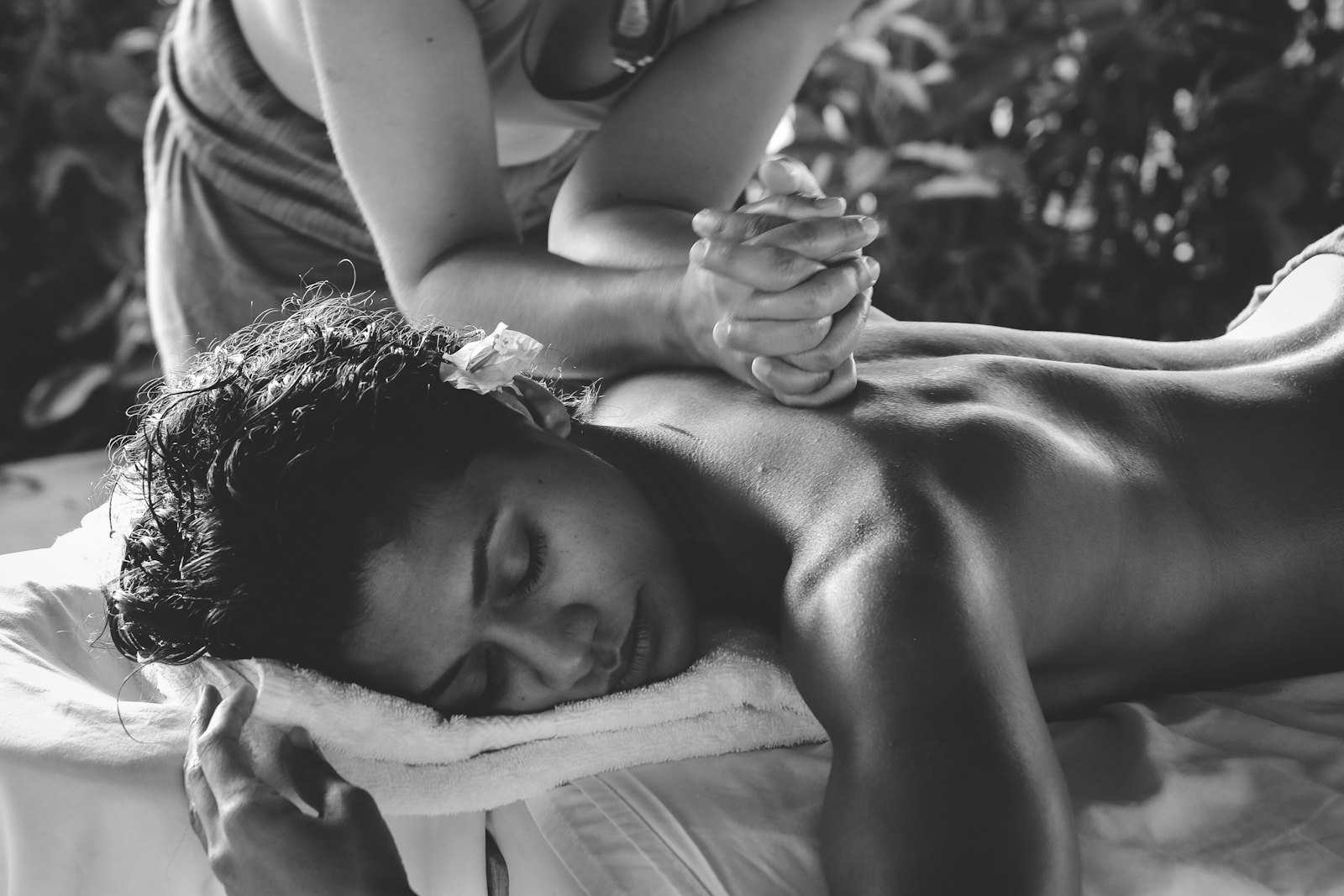
Part One
The hidden structure no one talks about.
There is one organ in the body that no one talks about. It wraps every muscle, every bone, every nerve, every organ. It is the reason your skin holds. The reason your face has a shape. The reason your posture stands or falls.
For most of medical history, fascia was treated as wrapping paper. Surgeons cut through it. Scientists threw it away. Schools did not teach it. The pharmaceutical industry could not sell to it. The cosmetic industry could not inject it. So everyone agreed, quietly, that it did not matter.
It is the most important organ in the human body.
When fascia is healthy, the structure underneath is hydrated, elastic, gliding, alive.
When fascia is restricted, the whole structure begins to fall. Slowly. Quietly. Everyone blames it on age. It is not age. It is fascia.
Part Two
Every modern problem is a fascia problem.
Nothing about modern life was designed for human fascia. Every habit we now consider normal restricts it.
Twenty-six bones immobilised in cushioned shells. The plantar fascia hardens. The toes drift outward.
Hip flexors shorten. The fascial line up the front of the body tightens. The pelvis rotates forward.
The masseter was built to chew for hours. It now works for minutes. The jawbone never loads. It narrows.
The neck holds the head forward sixteen hours a day. The cervical fascia calcifies. The head leaves the body.
Most of what looks like aging is fascia drying out, shortening, restricting. Fascia responds to work. Quickly.
Part Three
The Practice.
Six techniques. Pressure, time, breath. Done with your hands, they return the body to itself. Done with the right instruments, they do it faster.
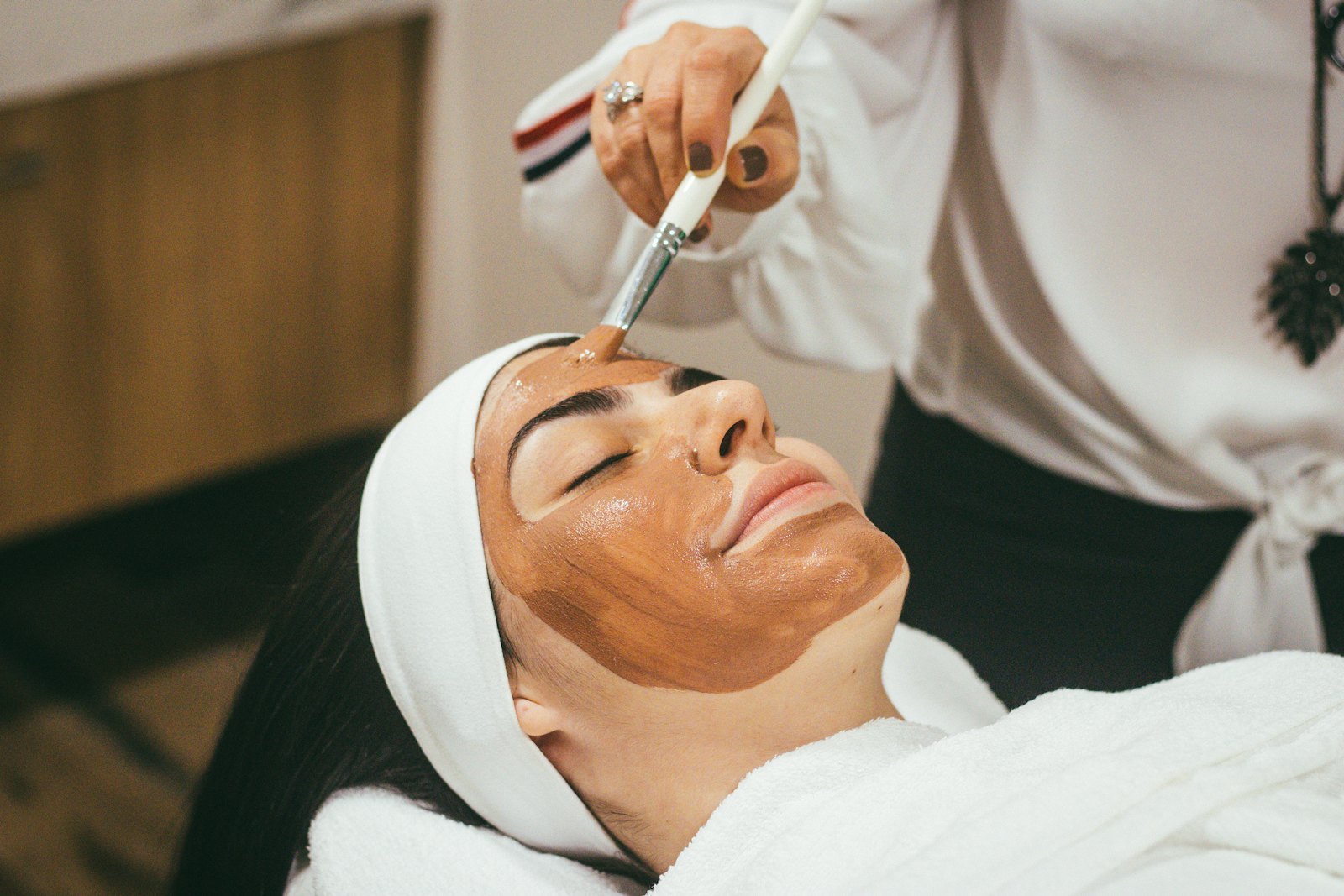
The Sole Roll
Why
The foot is the foundation. When the plantar fascia is tight, the entire posterior chain pulls — calves shorten, pelvis tilts, shoulders round. Free the foot, and the body above it stacks again.
How
Stand barefoot. Place a small firm round object under one foot near the heel. Slowly roll it forward along the centre of the sole, pausing where it feels tender. Cover the whole sole, then switch.
Frequency · Three minutes per foot. Daily. Morning is best.
The Calf Pin
Why
The fascia of the calf is the bridge between foot and hip. Hours of sitting and walking in shoes turn it into rope. The ankle stops moving. The hip falls out of position.
How
Sit on the floor. Cross one ankle over the opposite knee. Sink your knuckles into the calf just below the knee. Hold ten seconds, move down two finger-widths, continue to the ankle.
Frequency · Two minutes per side. Daily.
The Hip Hinge Release
Why
The psoas and hip-flexor fascia are the most consequential muscles you have never trained. When they shorten, the whole torso collapses forward.
How
Lie on your back, knees bent. Find the fold of the hip, just inside the hip bone. Press the heels of your hands down, then slowly straighten one leg along the floor, keeping pressure constant.
Frequency · Three minutes. Daily. Best before bed.
The Chest Open
Why
The fascia of the chest binds the shoulders forward. The breath becomes shallow. The collarbones round inward. The face begins to look tired.
How
Sit or stand tall. With the opposite hand, find the soft tissue just below the collarbone and stroke firmly outward toward the underarm. Ten strokes, then move down a finger-width.
Frequency · Two minutes per side. Daily. Before any meeting.
The Neck Scrape
Why
The neck holds the most calcified fascia in the modern body — the single biggest restrictor of facial circulation, jaw definition, and head carriage.
How
Tilt the head slightly. With the side of a finger or a smooth flat edge, stroke firmly downward from the base of the ear to the collarbone. Ten strokes, then from the skull outward to the shoulder.
Frequency · Two minutes per side. Daily.
The Face Lift
Why
The fascia of the face, the SMAS, sculpts every feature you have. When it is mobilised, the face lifts. No surgery. No injection. Structure.
How
Knuckles along the jawline near the chin, stroke up and out toward the ear, ten times. Move to the corner of the mouth, then the cheekbone, stroking upward each time. End pressing both palms flat for three breaths.
Frequency · Five minutes. Daily. Before bed is ideal.
Begin tomorrow morning. The body remembers within a week.

Part Four
What hands cannot do.
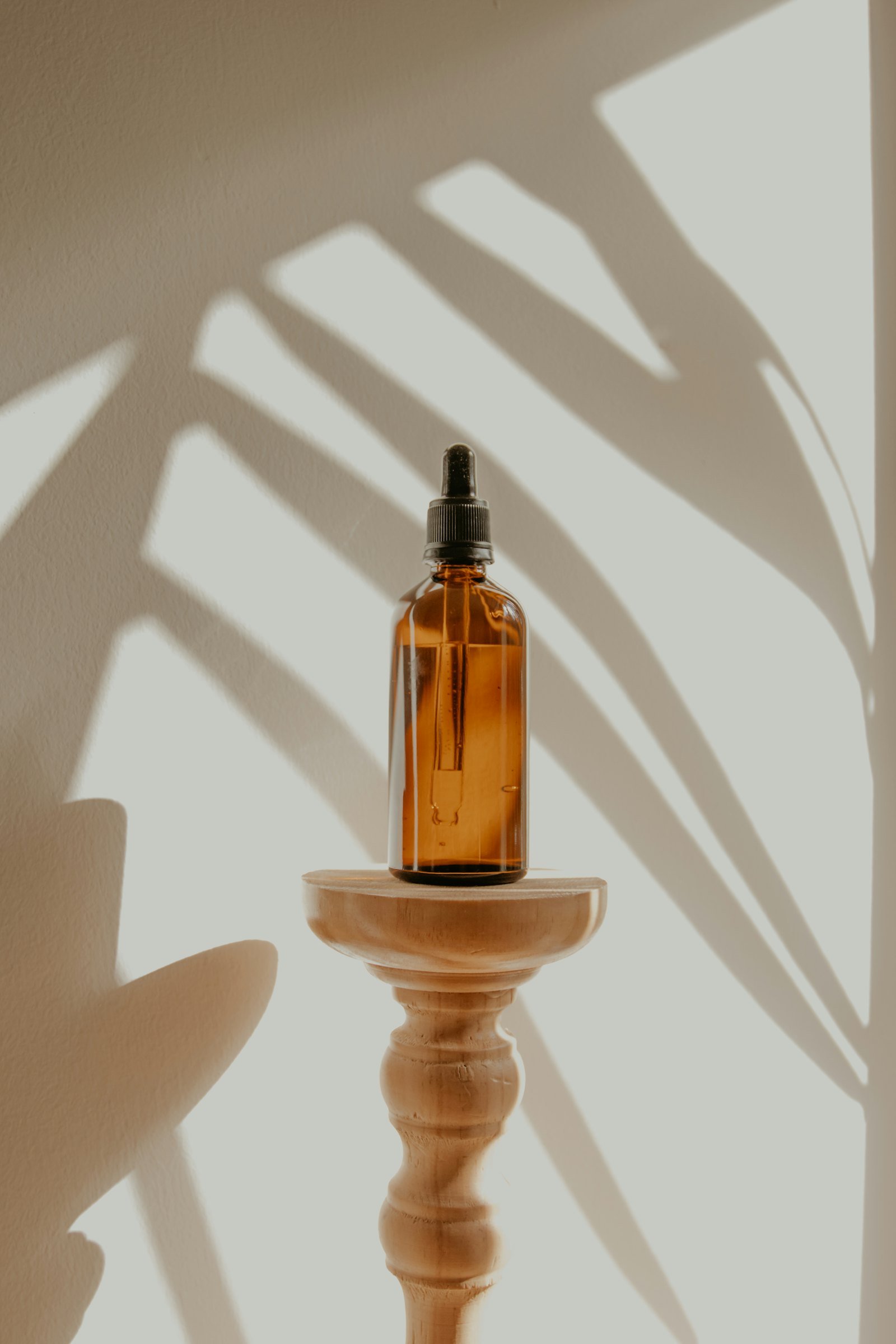
Three minutes here. Two there. Five for the face. Every day. These six techniques are what your hands can do — and they are enough to begin.
But hands have limits. Skin slips. Pressure tires. Angles are imperfect. The shapes the body needs are not the shapes a hand can make.
We are quietly engineering a small range of precision instruments — sculpted by world-leading fascia practitioners, made from premium materials — that do what hands cannot.
Until they arrive, do the work. The structure underneath has been waiting for you.
The Waitlist
The structure underneath has been waiting for you.
Edition One is for the waitlist. Join to receive the instruments first, and the full guide today.
Download the guide (PDF)